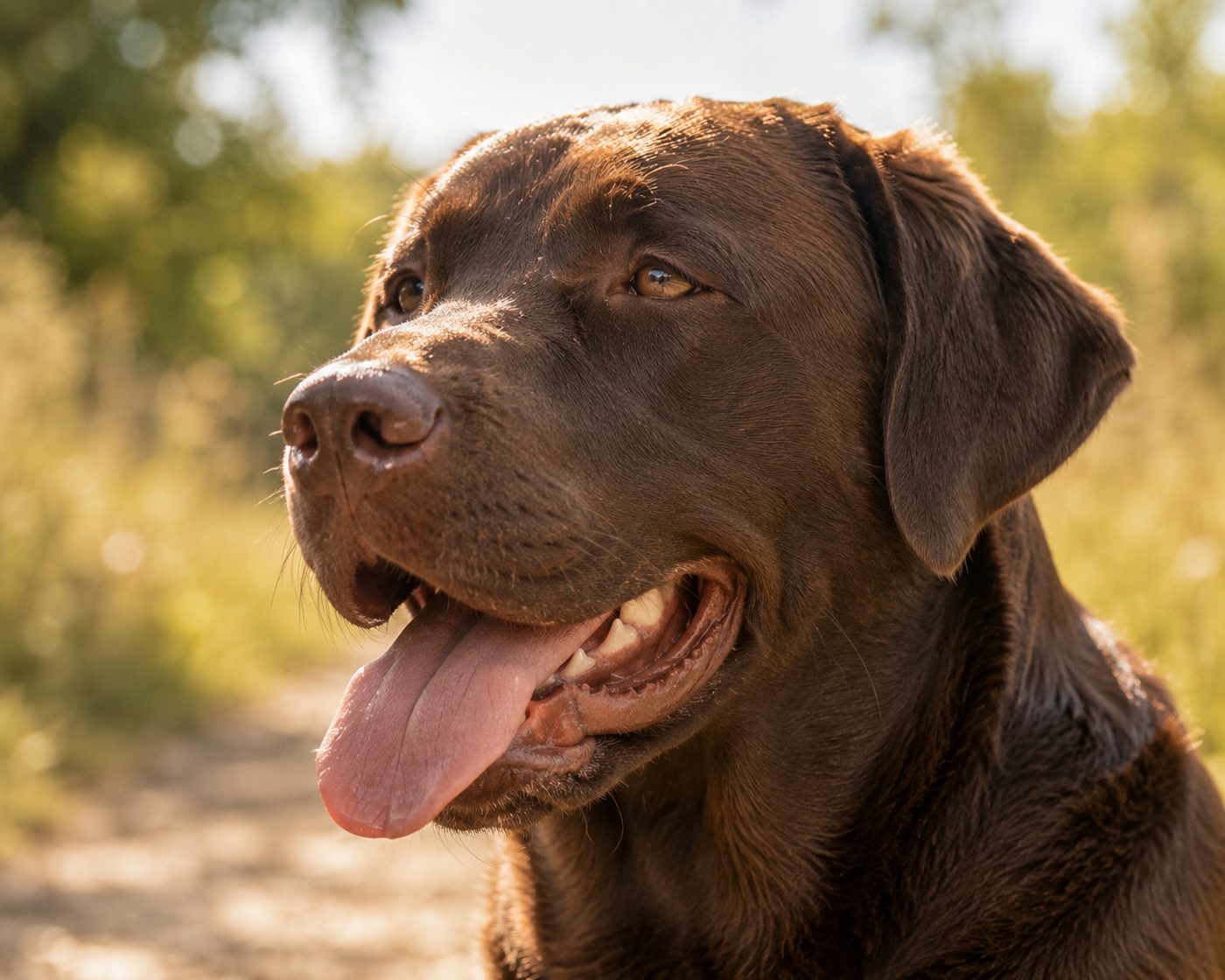
When people think about keeping pets safe in summer, most immediately think about water bowls and hot cars.
Those things are important, however I've found that many of the problems we see during warmer weather come from the things owners simply weren't expecting. Here are some of the most common summer hazards I encourage owners to keep an eye on.
Key points at a glance
- Check pavements before walking dogs.
- Watch for grass seeds after walks.
- Rabbits are particularly vulnerable to flystrike.
- Keep an eye on changes in appetite, behaviour or energy levels.
- Seek veterinary advice promptly if you're concerned.
Grass seeds: small but problematic
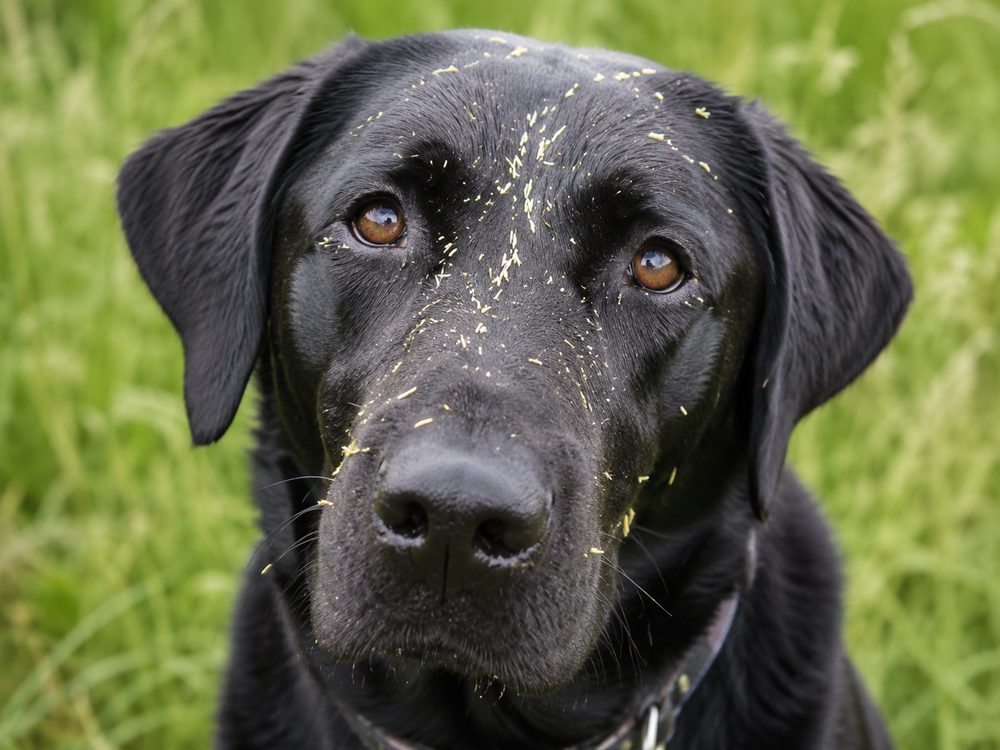
Grass seeds are one of the most common summer hazards for dogs.
They can become lodged between toes, inside ears, under eyelids and even within the skin. Once embedded, they can travel through tissue and cause pain, swelling and infection.
After walks, especially through long grass, it's worth taking a few moments to check paws, ears and coats.
Signs to watch for include:
- Excessive licking of paws
- Head shaking
- Squinting or eye discomfort
- Swelling between the toes
Flystrike in rabbits
Rabbit owners should be particularly aware of flystrike during warmer weather.
Flies are attracted to damp fur and soiled areas around the rabbit's back end. Eggs can hatch rapidly, and the resulting maggots can cause severe illness in a very short space of time.
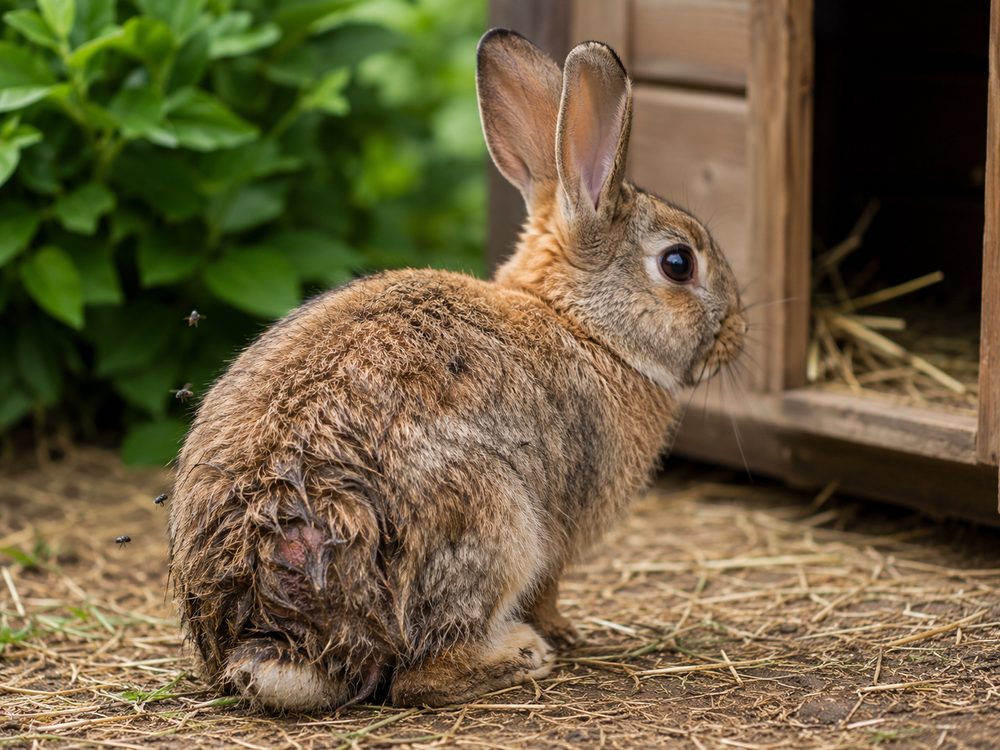
Daily checks are essential during warmer months, particularly for older rabbits, overweight rabbits and those with mobility issues.
If you suspect flystrike, contact your veterinary practice immediately.
Hot pavements
If a pavement feels uncomfortable against the back of your hand, it may be too hot for your dog's paws.
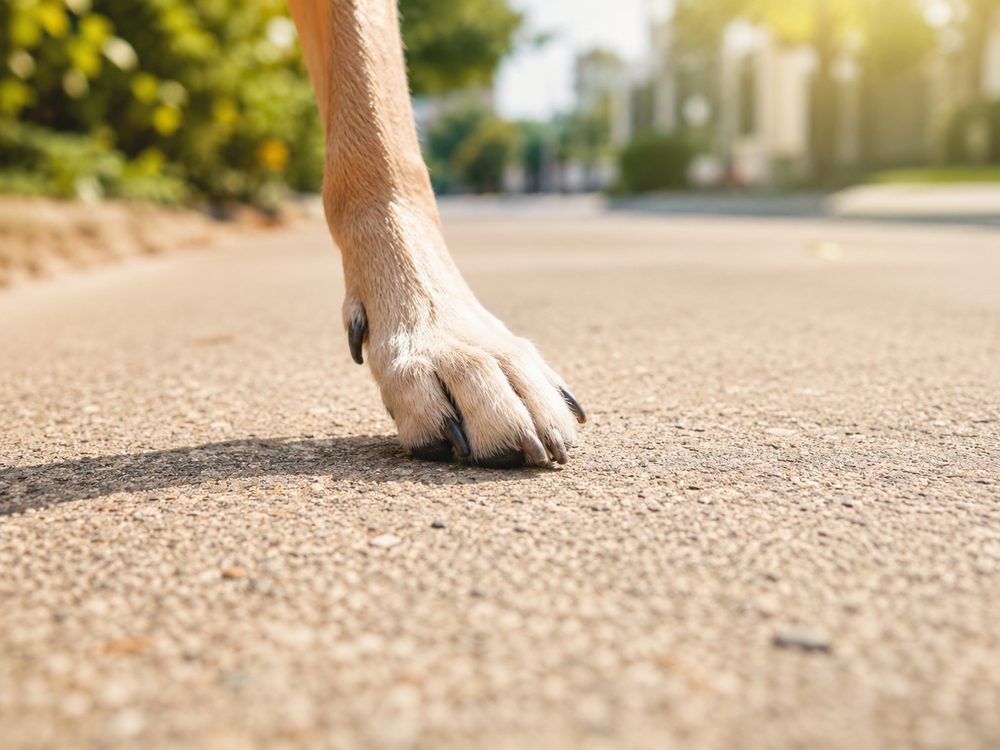
Consider walking earlier in the morning or later in the evening when temperatures are lower.
Heatstroke: not always obvious
Heatstroke doesn't only happen in parked cars.
It can occur during exercise, in conservatories, enclosed gardens, poorly ventilated rooms and even after an enthusiastic game of fetch on a warm day.
Early signs can include:
- Excessive panting
- Drooling
- Lethargy
- Restlessness
- Vomiting
Heatstroke is an emergency and requires urgent veterinary attention.
When to contact your vet
Trust your instincts.
If your pet seems quieter than normal, isn't eating, appears uncomfortable or simply doesn't seem quite right, it's always worth seeking advice.
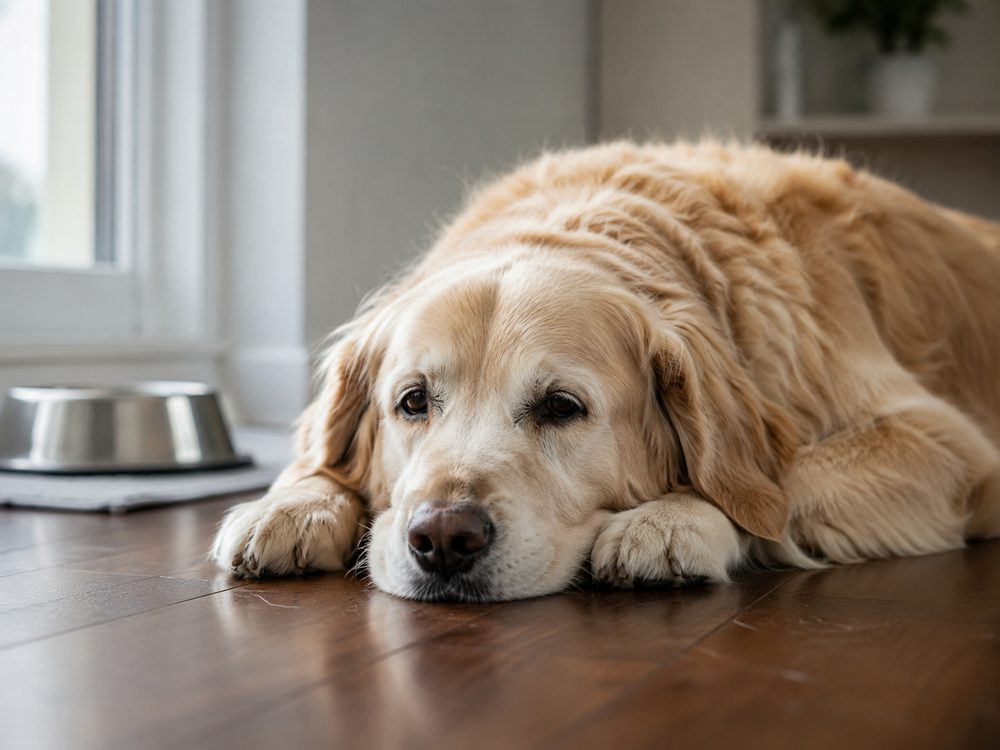
Many problems are easier to treat when caught early.
Need advice?
If you're concerned about your pet this summer, MyVetNurse offers home visits, health checks and practical support to help keep pets happy, healthy and comfortable at home.