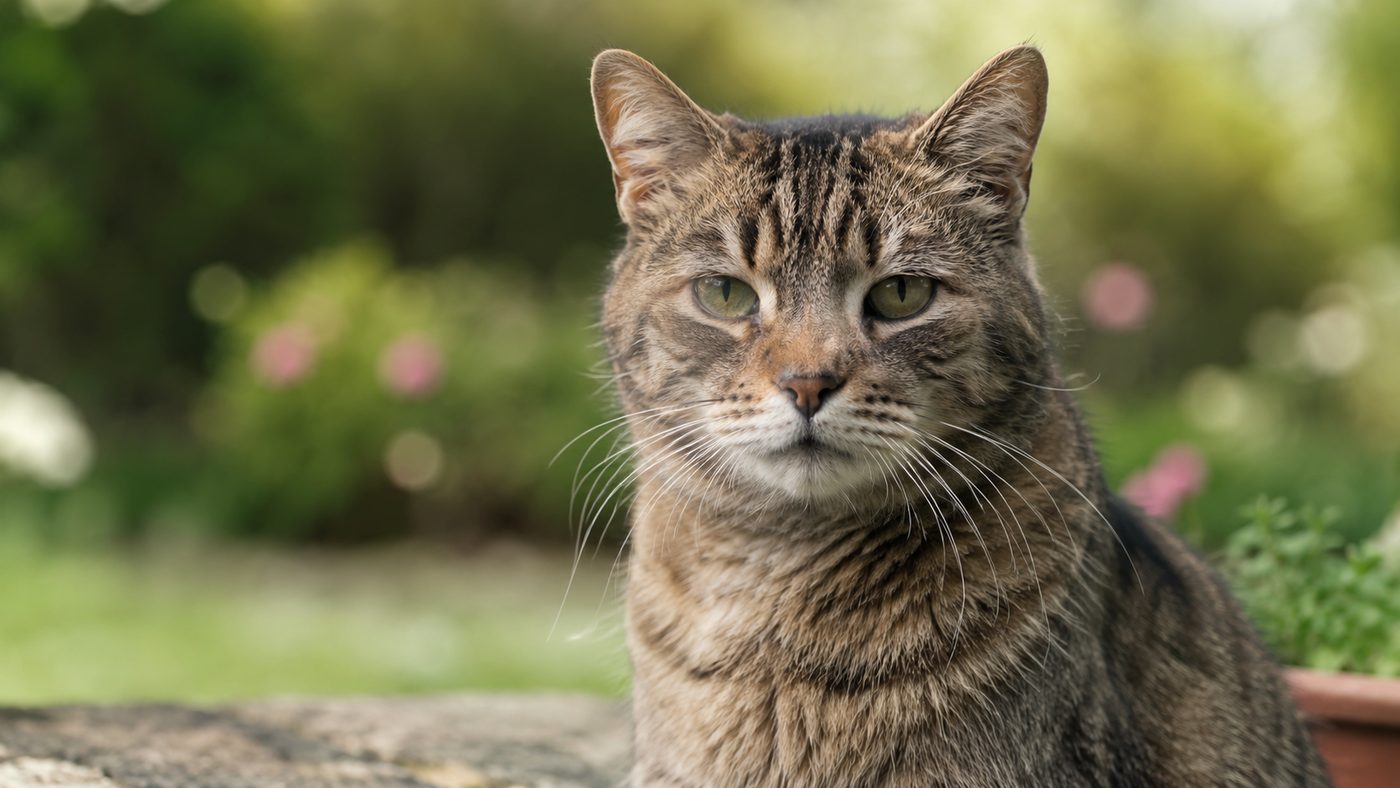
It's easy to assume an older cat is "just getting old."
Perhaps they're sleeping more.
They seem a little confused at times.
They're awake during the night when they used to sleep.
Or maybe they're calling out for no obvious reason.
Sometimes these changes are simply part of ageing.
Sometimes they're telling us something more.
Key points at a glance
- Some cats experience changes in how their brain works as they age.
- The signs often develop so gradually they're easy to overlook.
- "Old age isn't an illness", and many causes can be treated or managed.
- Simple changes at home can make a real difference.
- You know your cat's normal, so trust what you notice.
Growing older doesn't always mean becoming confused
Just like people, some cats experience changes in the way their brain works as they age.
This is known as feline cognitive dysfunction, and while it can affect memory, awareness and behaviour, many of the signs develop so gradually that they're easy to overlook.
Often, owners only realise how much has changed when they stop and think back over the previous year.
What might you notice?
Every cat is different, but common changes include:
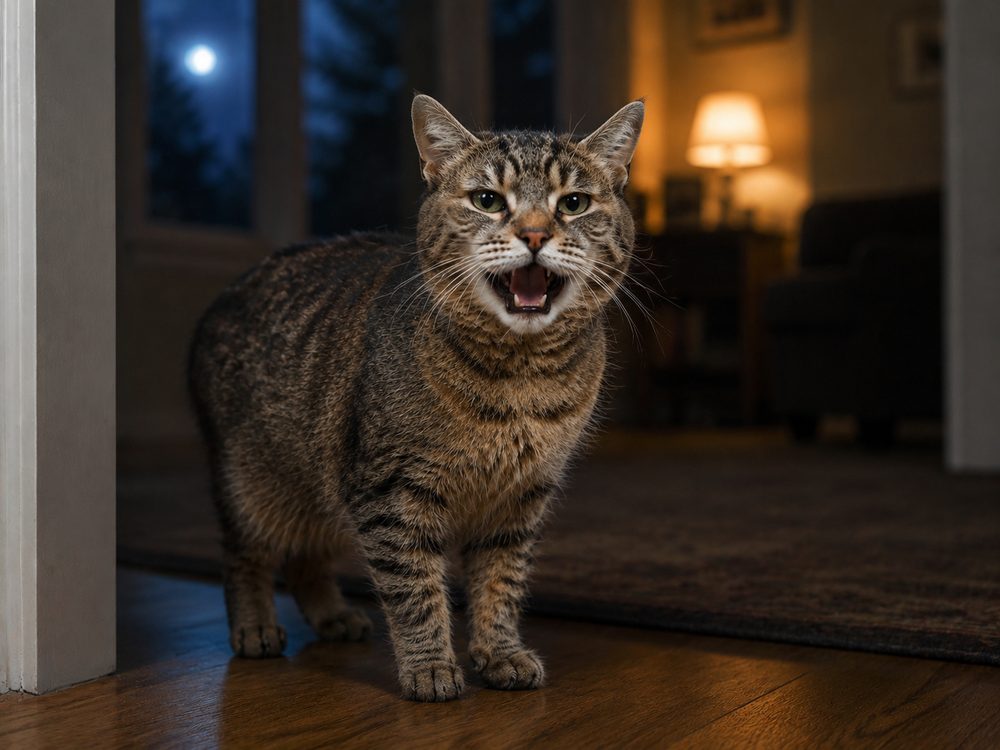
- Sleeping more during the day and becoming restless at night.
- Seeming unsure in familiar parts of the house.
- Calling or vocalising more, particularly overnight.
- Forgetting established routines.
- Appearing less interested in interacting with family members.
- Looking lost or staring into space.
- Changes in grooming or toileting habits.
These changes don't automatically mean cognitive dysfunction.
They simply tell us it's worth looking a little closer.
Looking beyond "just old age"
One phrase I often say to owners is:
"Old age isn't an illness."
Growing older doesn't automatically mean a cat should be confused, uncomfortable or simply expected to "slow down."
Many conditions that affect older cats, including arthritis, high blood pressure, hyperthyroidism, kidney disease and even pain, can cause changes in behaviour that are easily mistaken for ageing. The good news is that many of these conditions can be treated or managed, helping cats stay comfortable and enjoy an excellent quality of life.
That's why I always encourage owners to book a health check if they've noticed changes. Sometimes what looks like "old age" is actually something we can do something about.
Living well with an older cat
Many senior cats continue to enjoy a wonderful quality of life.
Simple changes at home can often make a real difference.
Providing easy access to food, water and litter trays, keeping routines predictable and ensuring favourite resting places are easy to reach can all help older cats feel more comfortable and secure.
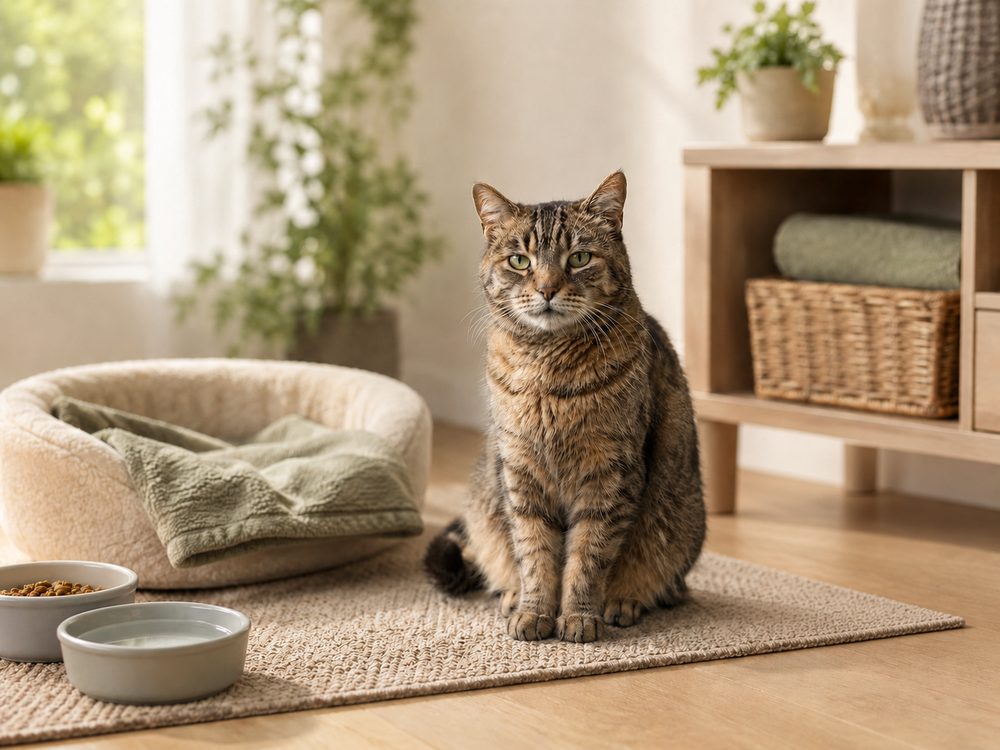
Small adjustments can have a surprisingly positive impact.
Trust what you know
One of the greatest advantages you have is that you know your cat's normal behaviour.
If they're doing something that feels out of character, it's worth paying attention.
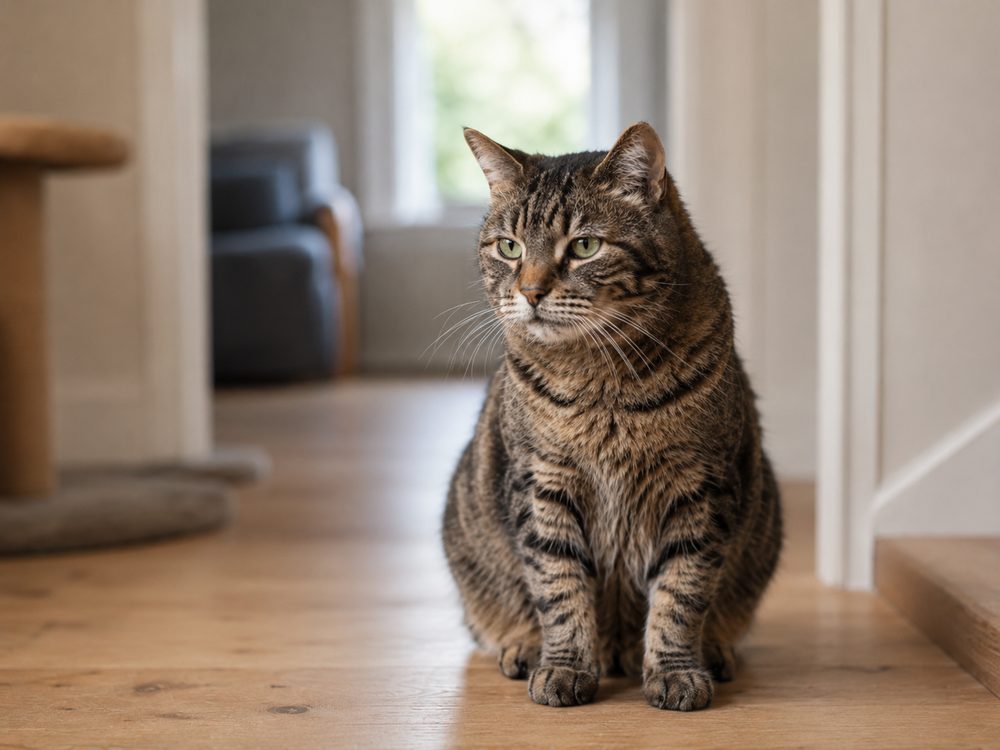
You don't need to know why they've changed.
You simply need to notice that they have.
Those observations are often the most valuable information you can share with your veterinary team.
Growing older is a privilege, and with the right support many cats continue to enjoy happy, comfortable lives well into their senior years. By noticing the little changes early and arranging a health check when something doesn't seem quite right, you're giving your cat the very best chance to stay healthy for as long as possible.
Need advice?
If you've noticed changes in your older cat, MyVetNurse offers home visits, health checks and practical support to help keep your pets happy, healthy and comfortable at home.