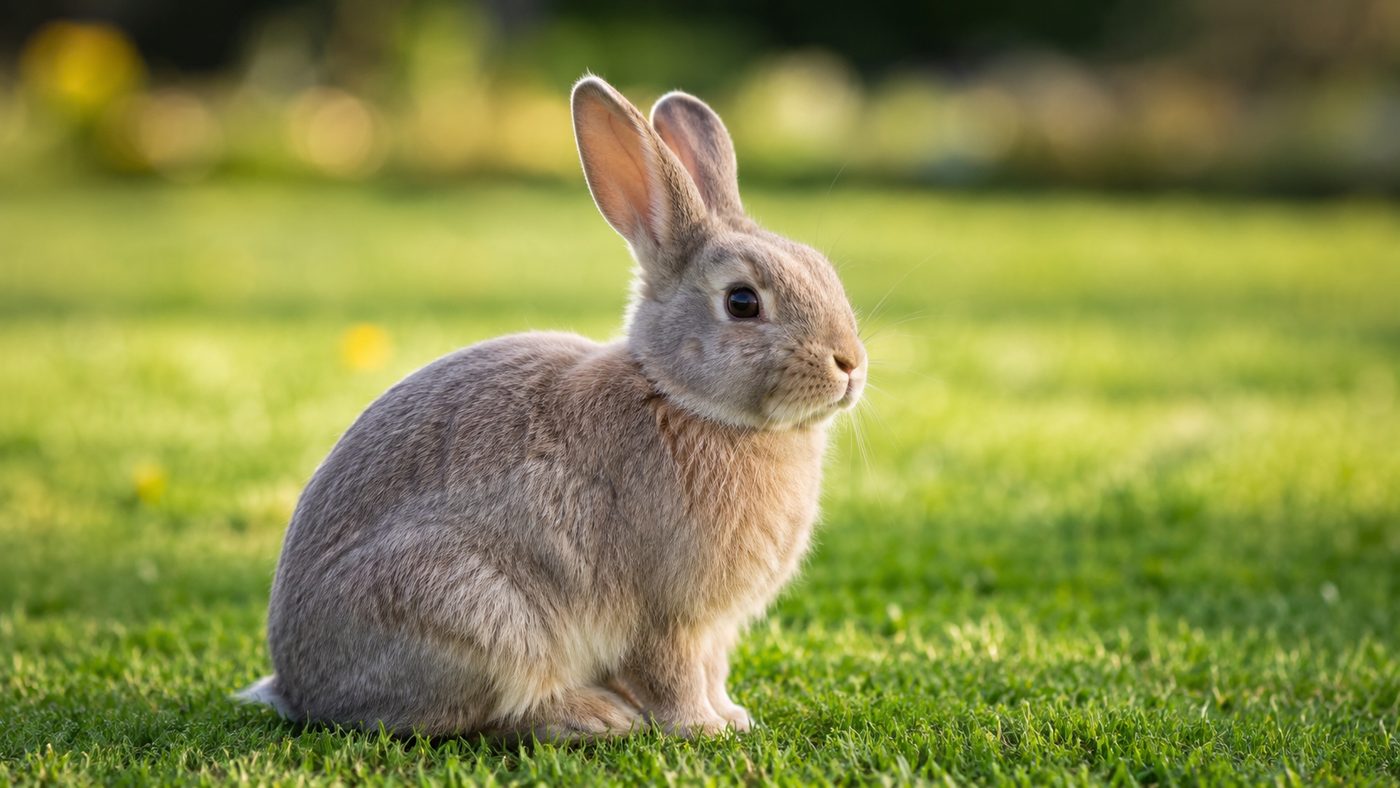
It might not be the most glamorous part of rabbit ownership, but if there's one thing every rabbit owner should get into the habit of checking, it's the litter tray.
Rabbit droppings tell us an incredible amount about what's happening inside the digestive system. In fact, they're often one of the very first indicators that something isn't quite right.
Healthy rabbits produce hundreds of droppings every day, so even small changes are usually worth noticing.
Key points at a glance
- Healthy droppings are round, plentiful and full of hay fibres.
- Fewer droppings than usual is often more concerning than odd-looking ones.
- Cecotropes are a normal, healthy second type of dropping.
- Plenty of hay makes the biggest difference to gut health.
- Contact your vet if droppings reduce, or your rabbit goes quiet or off its food.
So what should healthy rabbit poo look like?
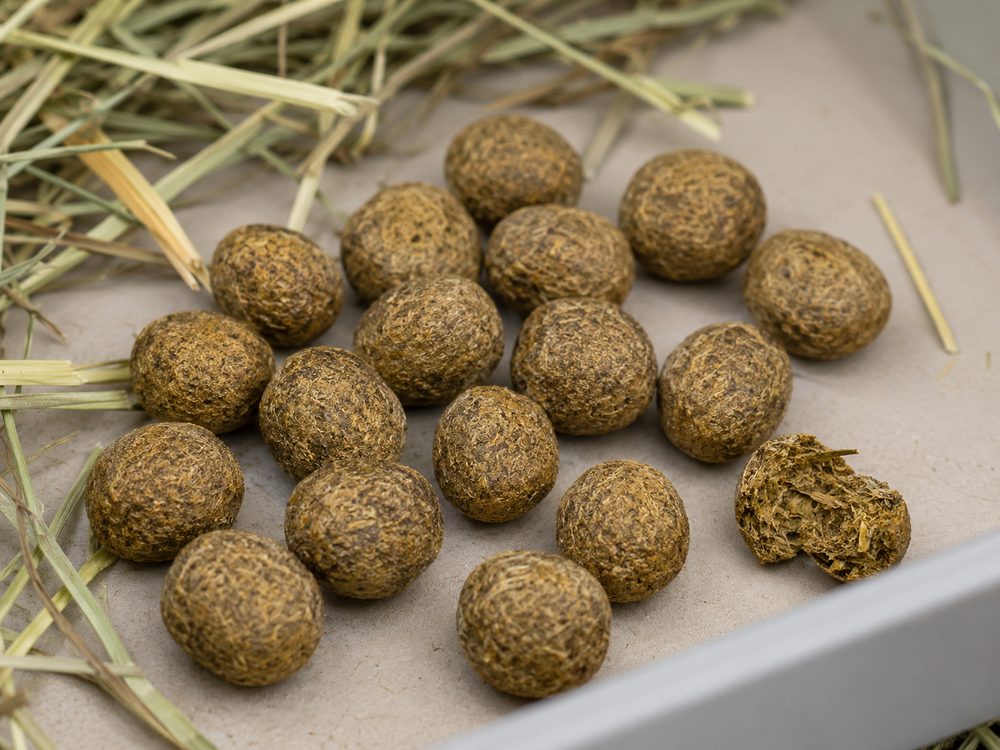
Healthy droppings should be:
- Round and evenly shaped.
- Fairly consistent in size.
- Dry on the outside but crumble easily when gently squeezed.
- Light to medium brown in colour.
- Full of visible hay fibres when broken apart.
Most importantly, they should be plentiful.
A rabbit producing fewer droppings than usual is often far more concerning than slightly odd-looking ones.
It's not just about the poo
Whenever I'm caring for rabbits, I never look at droppings in isolation.
I also ask:
- Are they eating as much hay?
- Are they finishing their favourite foods?
- Are they behaving normally?
- Are they moving around comfortably?
These little observations help build the bigger picture.
When should you be concerned?
Contact your veterinary practice if you notice:
- Significantly fewer droppings than normal.
- Very small droppings.
- Misshapen or unusually soft droppings.
- No droppings at all.
- Reduced appetite.
- Quiet or withdrawn behaviour.
Because rabbits are prey animals, they often hide illness remarkably well. By the time they appear obviously unwell, they may already need urgent veterinary attention.
Don't forget the cecotropes
Owners are sometimes surprised to discover that rabbits actually produce two different types of droppings.
The soft, shiny clusters called cecotropes are completely normal. Rabbits usually eat these directly from their bottom as part of healthy digestion, so you may never see them.
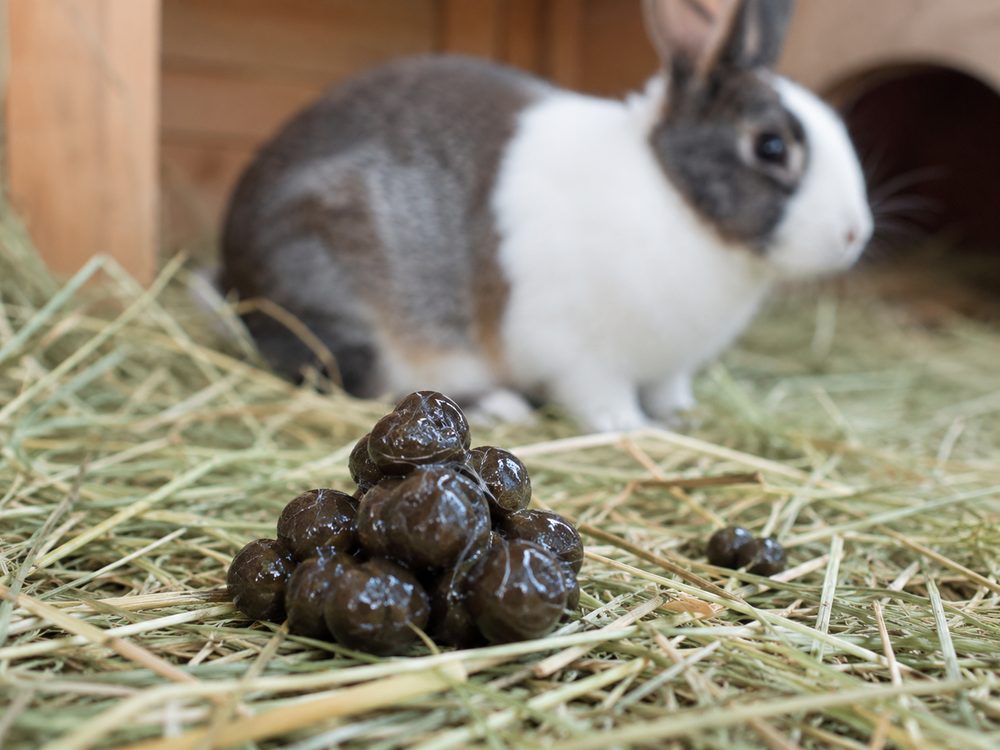
Finding lots of uneaten cecotropes can sometimes indicate that something has changed, whether that's diet, weight, mobility or an underlying health problem. It's worth mentioning to your vet if you notice it regularly.
Hay makes all the difference
The healthiest rabbit droppings usually belong to rabbits eating plenty of hay.
Hay keeps the digestive system moving, supports healthy gut bacteria and helps produce the firm, fibre-rich droppings we like to see.
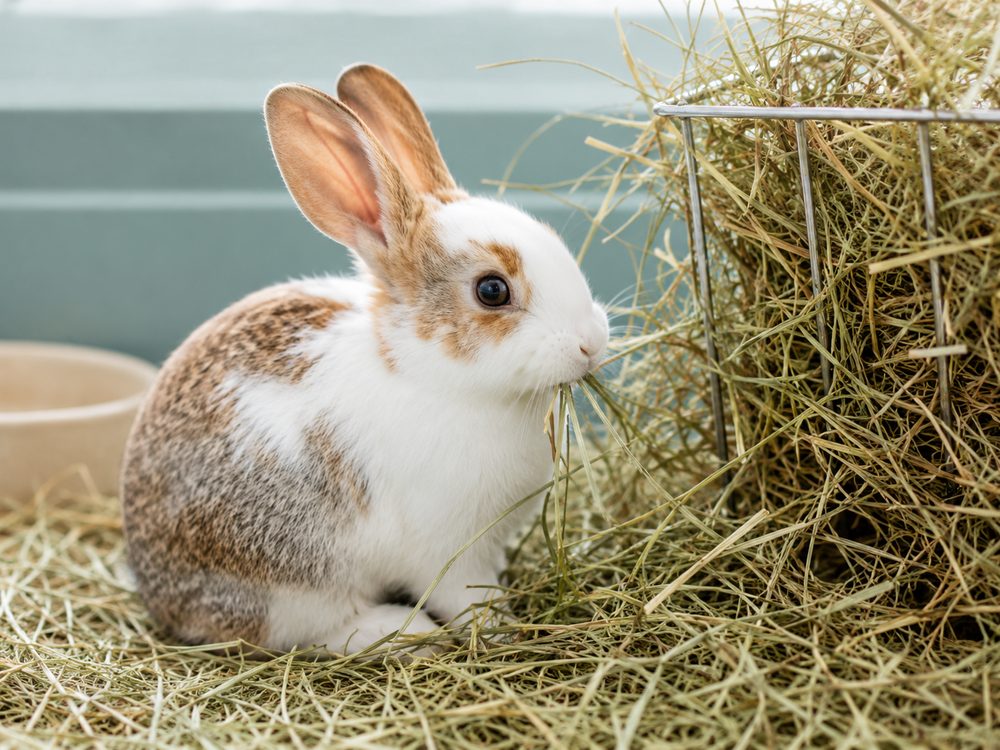
If your rabbit fills up on treats or pellets instead, their digestive health often suffers long before they appear ill.
Need advice?
If you're ever unsure about your rabbit's health, MyVetNurse offers home visits, health checks and practical support to help keep your pets happy, healthy and comfortable at home.