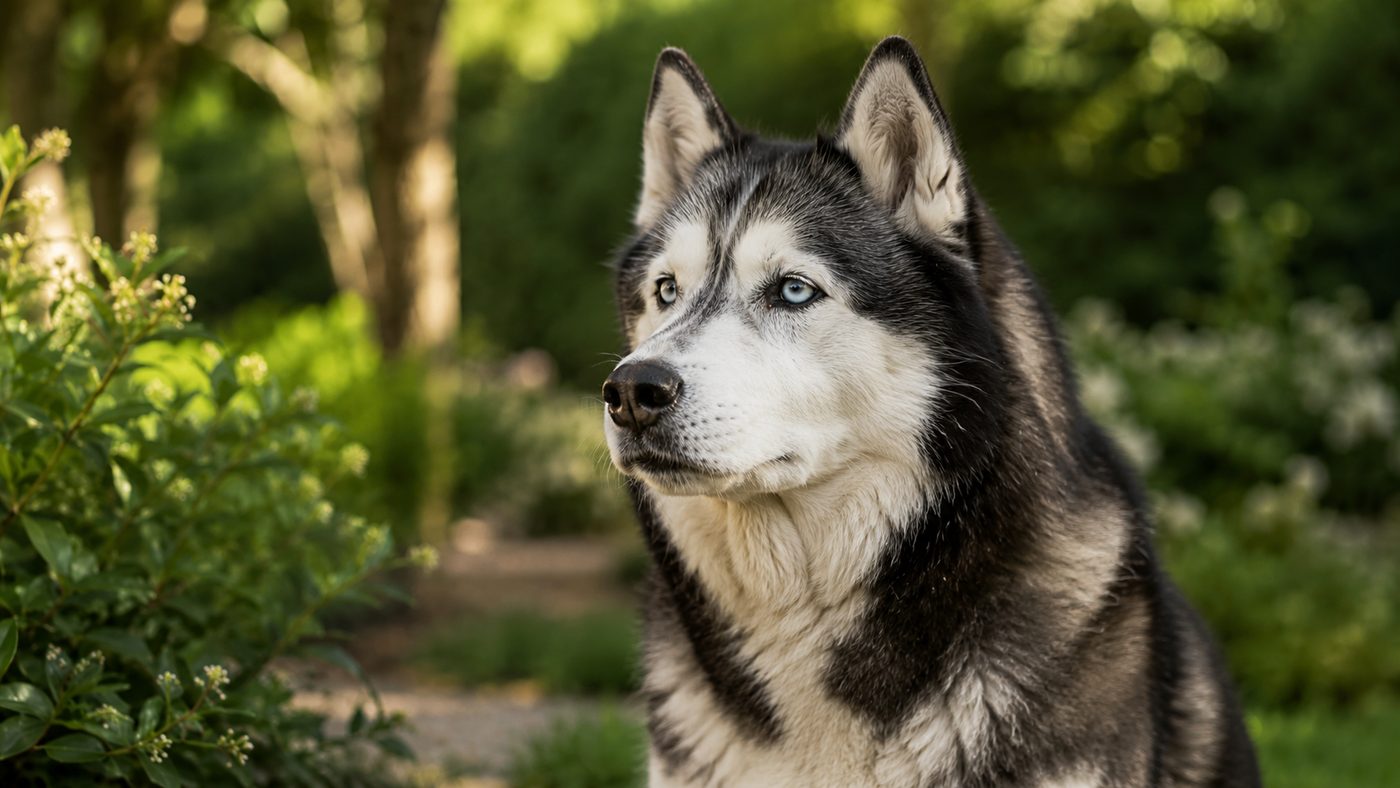
When people think of pain in dogs, they often imagine a dramatic limp.
But in reality, many dogs with arthritis or chronic pain never limp at all.
Instead, they make small adjustments to everyday life.
They're subtle, easy to miss, and often dismissed as "just getting older."
Key points at a glance
- Pain doesn't always cause a limp.
- Watch for small changes in movement and daily routine.
- Ageing shouldn't automatically mean discomfort.
- Pain changes behaviour as well as movement.
- The earlier pain is recognised, the sooner it can be helped.
The little changes
Pain doesn't always announce itself.
Sometimes it whispers.
You might notice your dog:
- Pausing before jumping into the car.
- Taking a little longer to get up after a nap.
- Hesitating on the stairs.
- Choosing shorter walks.
- Sleeping more than usual.
- Walking behind you instead of leading the way.
- Becoming less interested in playing.
- Seeming a little grumpy when touched.
None of these changes automatically mean your dog is in pain.
But they are worth paying attention to.
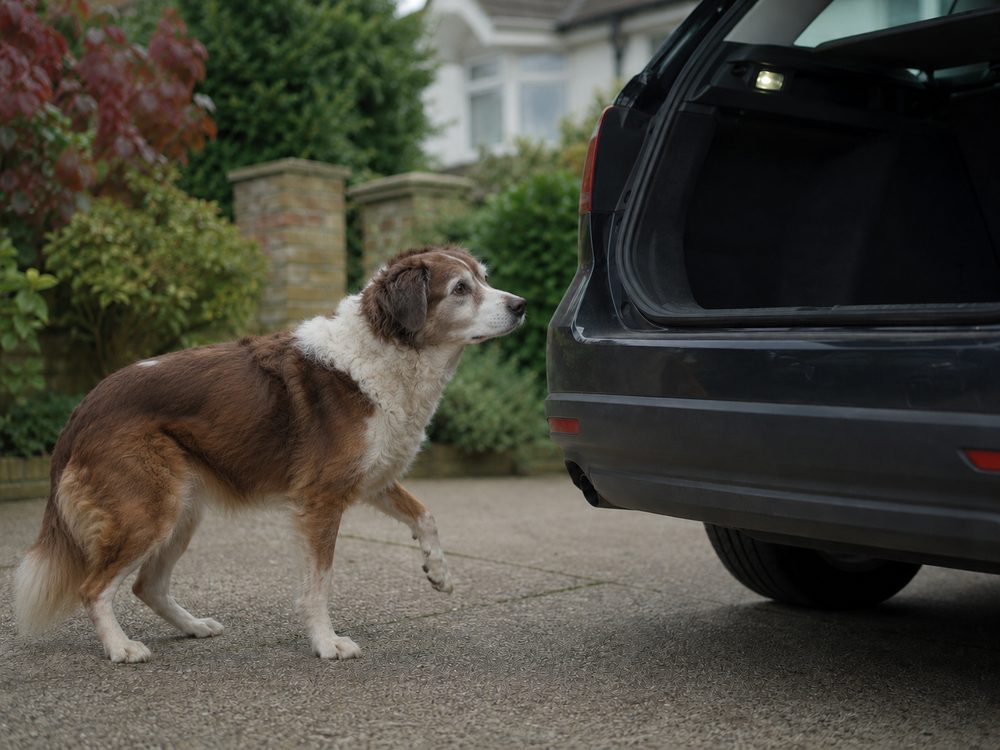
"I thought they were just slowing down."
This is probably one of the most common things I hear from owners.
Ageing certainly changes how our dogs move.
But growing older shouldn't automatically mean becoming uncomfortable.
Many painful conditions develop gradually, which means both dogs and owners adapt to them over time.
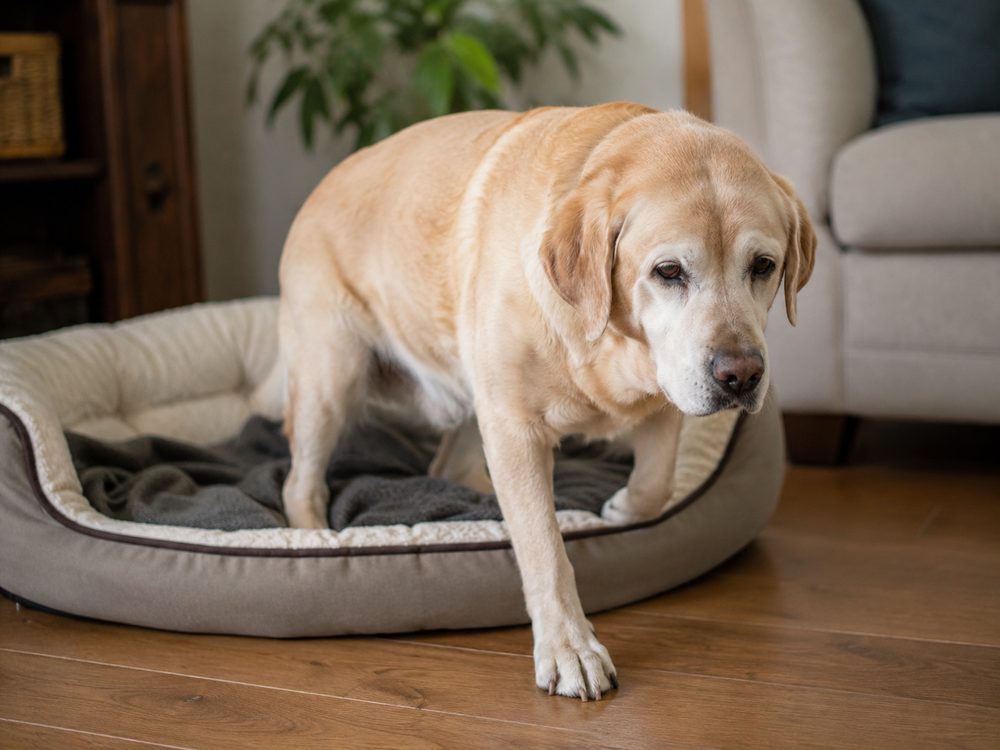
It's only when treatment begins that people realise just how much their dog had been compensating.
Looking at the bigger picture
Rather than focusing on one symptom, try looking at your dog's daily routine.
Ask yourself:
- Do they still enjoy the things they used to?
- Are they moving differently around the house?
- Have they stopped jumping onto the sofa?
- Are they reluctant to climb steps?
- Do they seem stiff after resting?
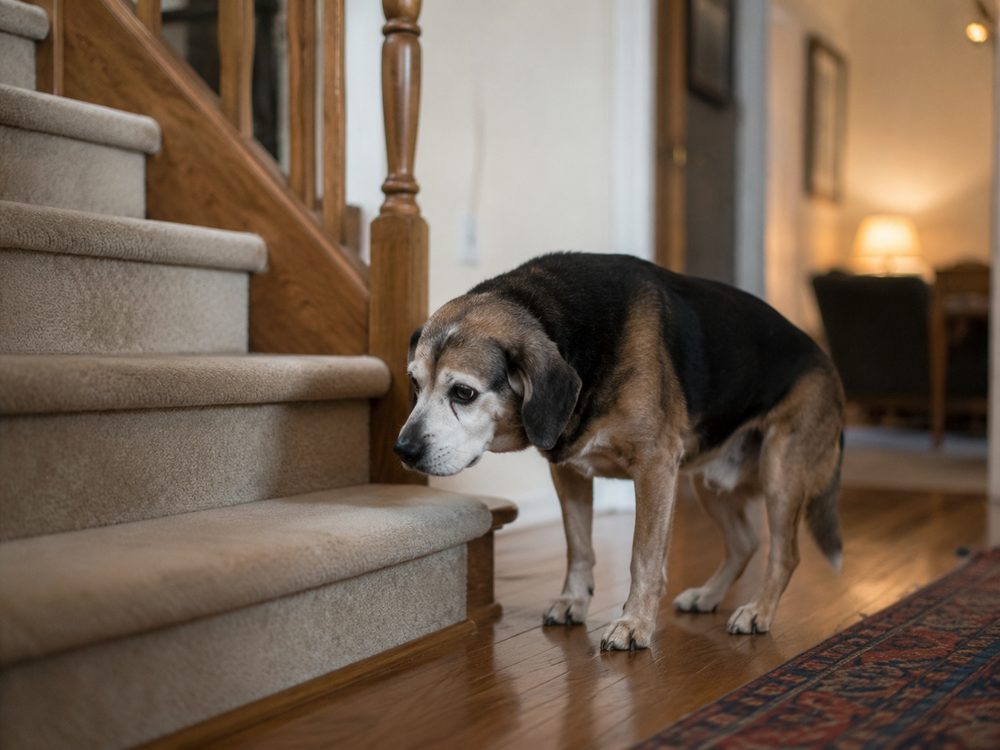
These little observations are often incredibly helpful for your veterinary team.
Pain looks different in every dog
Not every dog will show obvious signs.
Some become quieter. Some become clingier. Others become restless or seem unusually irritable.
That's because pain changes behaviour as much as it changes movement.
When should I speak to my vet?
If you've noticed gradual changes in your dog's mobility or behaviour, it's worth arranging a veterinary appointment.
The earlier pain is recognised, the sooner treatment and lifestyle changes can help improve your dog's comfort and quality of life.
You don't need to wait until they're limping.
Sometimes the smallest changes are the most important.
One of the most valuable things you can do as an owner is simply notice when something has changed. You know your dog better than anyone else, and those everyday observations often provide the first clues that they're no longer as comfortable as they once were. Recognising those changes early gives your veterinary team the best opportunity to help keep your dog happy, active and enjoying life for as long as possible.
Need advice?
If you've noticed your dog slowing down or moving differently, MyVetNurse offers home visits, health checks and practical support to help keep your pets happy, healthy and comfortable at home.